
WWI Punitive Expd Force M1910 Spec 1053 Service Coat. 12th U. S. Cavalry Regt
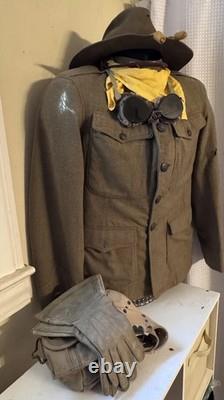
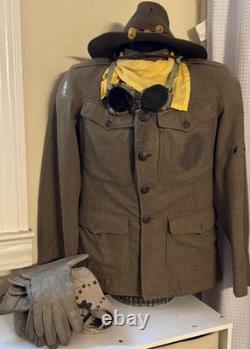
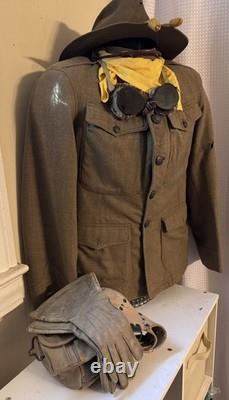
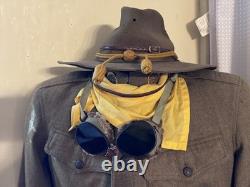
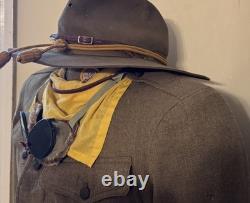
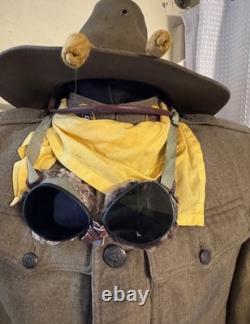
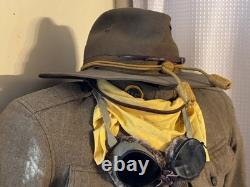
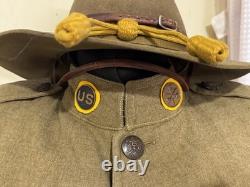
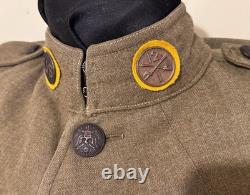
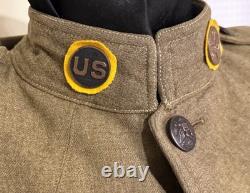
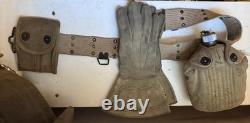
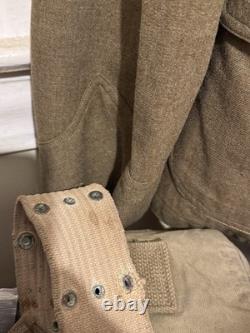
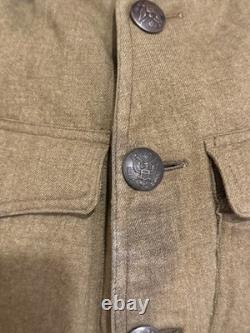
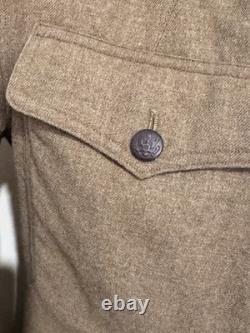
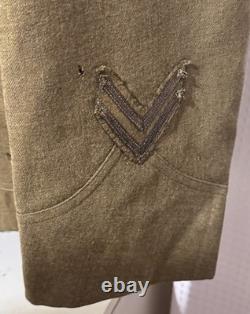
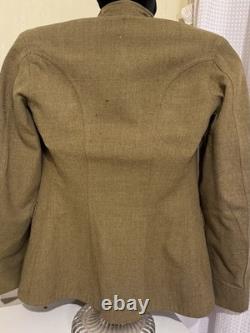
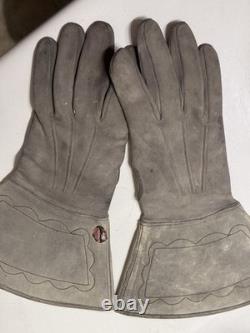
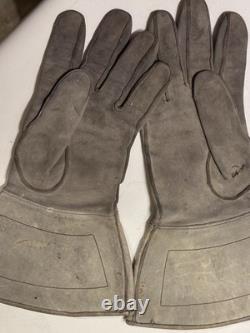
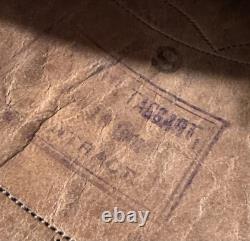

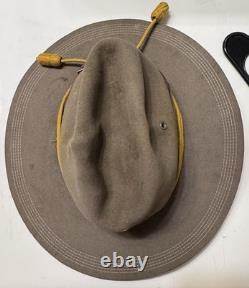
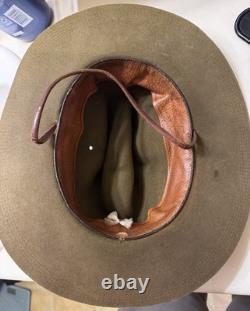

Punitive Expedition M1910 Spec 1053 Wool Service Coat. Cavalry Regiment For your consideration is this cavalry grouping with the main item, the Service Coat is a transitional piece from the Spanish American War period to the Punitive Expedition & WWI.
Make & Specification of this Grouping. M1910 Spec 1053 Wool Service Coat (dtd 1911).
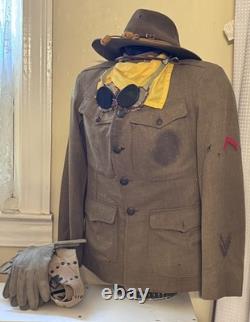
M1911 Enlisted Campaign Hat aka "Montana Hat". M1911 worsted wool hat cord, US Cavalry. This is not being added to the overall price. FGCO Sunglass Goggles: You know that the men were driving or working on; Jeffery Quad (1.5 ton 4x4), GMC Model 15 (3/4-ton), FWD "LIBERTY TRUCK" Model B (3-ton), Jeffery Armored Car, Dodge Armored Cars. These were definitely used south of the border.Driving in a line of trucks in the Sonoran Desert you're not going to see. Therefore: The bandana & goggles were definitely used during the expeditionary force. Especially with "I" Troop of the 12th Cavalry fought the Mexican Bandits as well as Supply & Support. These men stayed at the border all through WWI. This coat has 2 silver chevrons as 1 year of service duty during the war.
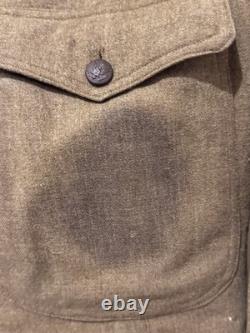
This coat has a 1910 Contract Date & dated 1911. This coat is made of a nice whipcord wool fabric with most likely silk thread for stitching. Theres something that the coat has come in contact with within the hundred years. It's made the fabric at the coats left upper pocket stiff. Buttoning the coat past the mid coat is harder because of the stiffness.
That said, it seems to act like a preservative as the upper coat filling looks bright and white and hasn't decayed. There are mothing spots throughout the coat. I have taken plenty of pictures.If you need more, please ask. As far as presentation, WOW. All it really needs are the goggles that were used during that period and it's a complete dismounted cavalry soldier from the period. 1916: Deployment to the BorderIn April 1916, as tensions peaked due to Pancho Villa's raids, Troop I and the rest of the 3rd Squadron traveled by train from South Dakota to Hachita, New Mexico.
Because the region lacked developed roads, mounted cavalry was the only effective way to monitor activity and prevent cross-border raids. By March 1920, the squadron completed an overland march to Del Rio, Texas, where they remained stationed through the end of 1920. Shortly after this period, the U. Army began restructuring its forces following World War I.
In August 1921, Troop I was officially disbanded. Its personnel and assets were consolidated and transferred into the Headquarters Troop and Service Troop of the 12th Cavalry, just before the regiment was integrated into the newly formed 1st Cavalry Division.